Gaining perspective about my time in Ukraine

As I continue to explore the theme ‘Surrender,’ and it being 3 months since I went to Ukraine, I have finally got time to reflect and write about it.  I’ve got to be honest with you. I have struggled writing about my experience in Ukraine because my experience was completely different to what I had expected it would be. It’s taken me some time to understand it; to understand what I did experience versus what I wanted to experience.

When I went to Ukraine, I was faced with some unforeseen challenges that shaped my experience into something completely different to what I had expected it would be. To appreciate it and learn from it, I’ve had to acknowledge how focusing on my expectations and not on what it was, led to some feelings of disappointment, like it was ‘less.’ My expectations were that I would meet and get to know many more Ukrainians than I did. I would spend much more time with them than I did. I would be able to interview them in the way that I normally do. When this did not happen as much as I wanted it to happen, I felt disappointed and frustrated and this blinded me to what my experience really was and the insights and lessons available to me. I had to let go of my expectations for me to see it for what it is and the value in the experience.

Since getting back to South Africa, I’ve also had to get stuck into my photography work. I have been completely focused on my day job (!) which is an agricultural and commercial photographer! Simply put, I’ve needed to replenish the bank account since going to Europe and it’s absorbed me and it’s been necessary!  At the same time, I often think of the incredible Ukrainians I met and how I want to tell you about them; how what they are experiencing is real and heart breaking. How tears rolled down an old man’s eyes when I told him that people as far as the southern tip of Africa, are thinking of them, support them and care about what is happening to them.

I need to tell you about my experience in Ukraine, that was neither what I expected nor what you would expect from a photographer and writer going to a warzone. I need to let go of all those expectations and write from the heart and tell you what this time was for me in the way of the Ukrainians I met, the volunteers I met and how this experience has taught me so much about my own life and what I will do (and what I won’t do) in the future. I have come back to South Africa knowing so much more about myself and about how to go forward with Rosie Goes and of course, so much more about the Ukrainians and what they are experiencing.

When I was debating whether to go to Ukraine or not, I asked myself some hard questions. Why would I go to Ukraine? I hardly knew anything about it prior to this war.

I was invited to join a group of volunteers (who are also my incredible friends!) and who were raising funds and delivering food and essential supplies to Ukraine from Germany and the Czech Republic every two weeks on their weekends. Other than that and the news, I honestly knew very little about Ukraine – probably not enough in most people’s minds to go there and experience it during a war.

There were many possible reasons for me to do something like this. Reasons that would justify me going and reasons that would not. Was this trip aligned with Rosie Goes and the theme I am exploring, ‘To surrender.’ Or was it something else? Was it many things? Why would I do such a thing as a South African who knew very little about Ukraine?

Some people have put it down to a midlife crisis. And maybe that’s part of it, although I would not call it a crisis, but rather a massive life change that is aligned with being true to myself and choosing not to live my life in a box that I did not fit. A crisis would also suggest that once I’ve got this trip and experience out of my system, I would come to my senses. I’d remember the plot, and get back in my box! But this is the thing, this is not a once off – this is a way of life I am choosing, one that fulfils me, and gives me a purpose that sets my soul on fire!

Another reason for me going to Ukraine, is literally because I asked for it. I put it out there that I wanted an experience that was ‘out of Africa’ and that would give me insight into the theme ‘surrender/acceptance.’ My ‘out of Africa experience’ came via Facebook a couple weeks later, though at the time, I was not clear how Ukraine was linked to the topic I am exploring.

I was invited to go to Ukraine but I needed to get there within the next couple of weeks. In 2 weeks, I needed to get my finances in order, receive an invitation from the Ukraine government, drive to Joburg and apply for a Ukrainian visa, then apply for a Schengen visa which can take weeks …all in the month of April when South Africa is full up with public holidays and literally shuts down for the month! I decided to go if the ‘seemingly impossible’ happened in the time it needed to happen and if things just flowed! And it did, like magic! I took it as a sign that this is something I should do.

The ultimate decision maker came in the way of a brief interaction with a fuel pump attendant. I had just filled up my tank and was evidently surprised by the price of fuel and the amount I needed to pay. The man looked at me, then said, ‘We should be supporting Russia. If we support what they are doing in Ukraine, we would not be paying these prices.’
I did not react to his comment but it gave me absolute clarity about what I feel strongly about and that Ukraine feels so far away from us and so foreign to us South Africans. It’s easy to make a thoughtless comment that suggests it’s okay for the Russians to kill Ukrainians in a hostile land grab, because we cannot see their faces. It’s easy to make a comment without thinking about what you are really saying and supporting.  It’s also easy to turn our heads away from abuse, because it serves us. To side with the bully, and they feed us their crumbs and fool us into thinking it’s loaves of bread, until it happens to you. That day when you are fighting for your life and I turn my head and walk away because it does not serve me to stand up for you.

I realised that I simply had an opportunity that not many others have had, to know more. To put a face to the Ukrainians, and when we are commenting about what to support and what not to support, we see a person.
“Lock up your libraries if you like; but there is no gate, no lock, no bolt that you can set upon the freedom of my mind.”
― Virginia Woolf

In the next couple posts, I will continue to share with you what I did experience and how it’s taught me some more about what it is to surrender to ‘what is’ before we can move forward. How having expectations about how something should be, can stop us seeing what we need to see and not always what we want to see.
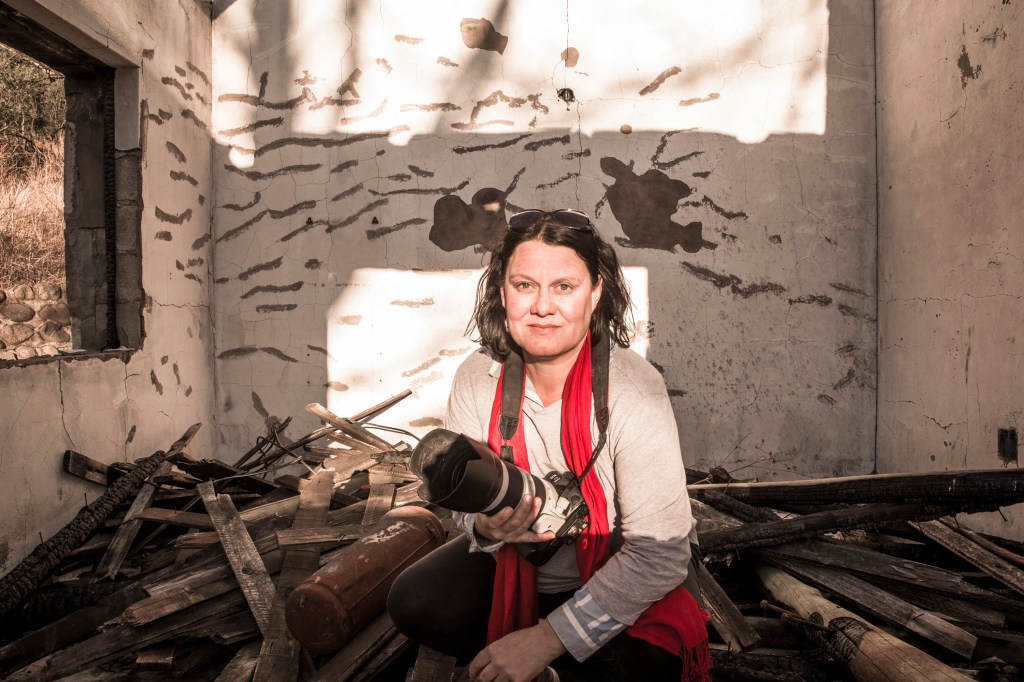
Rosie Goes to Ukraine: I’m on my way

If someone had told me 3 weeks ago that I would soon be boarding a plane and heading North to Ukraine, I’d probably laugh. But that’s it, I’m not going to laugh anymore because I am discovering that since starting Rosie Goes – the most incredulous things happen at exactly the right time, taking me on a journey with a very definite purpose – in pursuit of humanKIND.

A few weeks ago, ‘I put it out there,’ (asked the universe, prayed…what ever is right for you) that I would like an opportunity that is aligned with Rosie Goes and that will help me kickstart this project. My answer came via Facebook! I casually commented on the post of a couple friends in Europe who have started up a Go Fund Me account and a project for refugees in Ukraine. For 2 weeks, these guys collect donations from the likes of you and I, or anyone who wants to help the Ukrainians, then go on a ‘mad’ shopping trip in Germany or where ever, packing the mini van to the hilt with everything and anything.

Just an interesting, random fact – there are limits on the amount of sugar you can buy in a supermarket in both Germany and Hungary, between 2 and 10kg’s but in the Czech Republic, there seems to be no limit…all these factors influence the route they choose to take into Ukraine. The list varies every week and it includes everything from cell phone chargers to body bags. The list alone tells a story. It tells us a story of grave danger, of packing in a panic. Of leaving things like a cell phone charger…which for many of us, is the very first thing we pack, something we absolutely cannot do without! But these people only had one thing in mind – to get away. To get their family; their children, their parents, their wives and their friends away from the terror unfolding on their doorstep.  

Ironically, the theme I am exploring right now is ‘Surrendering to what is before you can move forward.’ And ‘surrendering’ is not a word I would choose when talking to the Ukrainians about what I am exploring and writing about. I’m going into war zone, not a ‘surrender’ site. But that’s it, ‘surrendering’ is not giving up.

For me this process of getting to the point of getting on a plane and ‘going,’ has been the most incredible example of ‘surrendering’ to what is. I have simply followed what I have learned so far on this journey. If you keep on hitting a brick wall, it is a sure sign that you are going in the wrong direction. When there is ‘resistance,’ there is not acceptance and things will keep on going wrong or a ‘negative narrative’ born in the past that starts to look like a negative pattern in your life, continues to be proven right -such as ‘nothing ever goes right for me,’ or ‘I’m not good enough for this,’ or consistently blaming others for where you are today, or not where you are. All this points to us not being aligned with our true self and ‘resisting the flow,’ opposed to going with the ‘flow.’

For this Ukraine experience to happen, I have completely ‘surrendered’ to it. I said to myself that I will do everything that I can do to make it happen. I will give it my best shot and commit to it…and I will go if I am meant to go. It was quite unlikely at first, to be honest. I had to get a Ukrainian visa first, and then a Schengen Visa which on average takes a few weeks to get. And to get these 2 visas’, I needed to get an official invite from the Ukrainian government first, I needed finances, insurance and whole lot to fall into place on the ‘home front’ for this to be possible. To add to the challenge, there are umpteen public holidays in South Africa in the month of April and so even less time to get it all done in time for the next trip into Ukraine.

But it has all happened in time. Not without an effort, but it certainly has happened. I am here, about to board a plane and go to Ukraine. I have surrendered to what ever ‘flows,’ paid attention to the timing of things and have connected with people a long the way who ultimately have helped me forward and get to this point.

I am feeling a lot of gratitude right now…and purpose.

I will be updating this site regularly and from here on I hope to take you on a journey into Ukraine, a journey that will make what is happening in Ukraine feel closer, feel real and on a journey that you will get to know the Ukrainians as individuals.

On that note, I must swig back this cup of coffee and get on my way! It’s time to get moving with Rosie Goes, in pursuit of humankind!

Next up:

Daniel will be transporting a dozen cats and dogs to Munich to be reunited with their owners. Update from Daniel below.

“We are going on the 7th-8th of May to Chop (Ukraine) with humanitarian help (food and other supplies).

This time, there is an additional mission:

Anna contacted me to help bring ten dogs and ten cats to their owners that are already in Munich.

The back story is that many people have left and did not have the chance to take their animals with them.

Many of these animals are in contested areas or temporary shelters.

Volunteers are collecting them on the Ukrainian side, then under the coordination of Nadya, bringing them to the border. We will meet with those volunteers and then deliver the cats and dogs to their owners in Munich.

Challenge accepted (although I am slightly scared).

Thank you all for your support!

Your donations are of immense help in making it happen.”

Please share 🙂

GO FUND ME ACCOUNT LINK….CLICK HERE!

Doing what feels meaningful

It was early 2020 and I was hoping that somehow, the start of a new year would mean the end of a challenging 2019. 2019 had been a tragic and difficult year in many ways and also the continuation of a mounting feeling that life was so busy and full up of things that did not really matter to me or resonate with me and empty of what burns inside. For a long time I had felt like I was living a life that I did not fit. I was conforming to what I felt was expected of me and I gave it my all. I tried to do what everyone here seems to do, like a well-oiled machine, serving a community and doing what seems to bring so many people a sense of unity, purpose, belonging, identity and friendship. If felt a bit like a compulsory duty that I needed not only to take part in, but to shine! Of course this was my interpretation of life here, an unconscious decision I made for myself of how I should be here to fit it in, to be respected and to be accepted and ultimately avoid being the ‘misfit.’ This was the work of my fear and my ego – and it required me to ignore my authentic self and what really matters to me, what feels meaningful to me and what gives me a sense of purpose that is aligned with who I am.  The truth is that the stuff that really makes me tick might seem like ‘bat-shit’ crazy stuff to many and not what they’d necessarily want for themselves or ever consider doing. But someone has to do it and I am putting my hand up!

In the last couple years, I have learned that life works in mysterious ways. One day I would like to write about this, about what has happened for me to get to where I am now and where I am going to go. This is just the beginning but it’ s unfolding in spectacular ways and in a way that feels like life is ‘flowing,’ and as if I am being taken on a journey. To go on this journey, the only requirement of me is to stay aligned, to trust the process and to pay attention to what I am being presented with. To be brave, even when I am not feeling it. To write my heart out, to be vulnerable and to be honest with you about what I am experiencing and feeling, regardless of how I may be judged or viewed.  

Early 2020

I sat at the desk feeling overwhelmed by the amount of photo editing I had to complete that weekend in time for a Monday deadline. It had been an extraordinarily busy few months and I had fallen behind on my editing. That Monday I needed to present a year’s work of interior design photos for a book that was due to be published for a well-known South African interior designer. She had taken me on as someone with little experience in the way of interior design photography. The deal was that she would teach me interior design and I would need to photograph it! Though I have done a lot of travel and hospitality photography, I specialise in agricultural photography. Interior design photography was something completely foreign to me at the time. Being outdoors and in the dirt is where I am most comfortable but this was something I wanted to explore. If I enjoyed it, it would be an incredible opportunity to learn from the ‘best,’ in the way of interior design and a way ‘in’ to a whole new photography genre and market. On top of that, I got on really well with this person and though I still needed to learn so much, I thoroughly enjoyed working with her.

It was 2am on a Saturday, and I was still editing. I had one more day left and a huge number of photos that I still needed to edit by Monday. The thing about interior design photography is that you are ultimately selling an idea, a style of design, or an item that fits a theme. It involves a lot of straight lines, ‘photoshopping’ out things like plug points and cables, removing a stain from a table cloth or a stray thread from a designer cushion. Every photo has to be picture perfect and that takes time. I had so much editing still to do that I literally excused myself from the world that weekend and edited solidly for 72 hours! I rewarded myself with ‘a break’ after editing an album – a break that involved going to the kitchen sink and washing some dishes!  It was that kind of weekend! But while I removed the threads from a cushion, the creases from a crisp white bed sheet, dimmed the lights to a moody atmosphere and intensified the colour of the flames of an indoor winter fire, I listened to a lot of podcasts while doing this. And all the podcasts were of photo journalists and humanitarian photographers talking about everything I care for. That weekend was a paradox for me. While I edited interiors and made everything look picture perfect, the podcasts I was listening to had me nodding, smiling and resonating. They were speaking a language that I understood and importantly, doing something that I would love to do. That weekend, while I sat at the desk editing interiors, I felt alive because of what I was hearing.

I finished editing minutes before I had to leave to drive to my destination and present my final album. It was a huge relief to have finished what felt impossible a couple days before. But I did it and while doing it, I learned what really feels meaningful to me. At that meeting I was offered an incredible opportunity. Since I was the ‘outdoors’ type and rather ‘countrified,’ this designer was offering me the opportunity to photograph and publish an interior design book of ‘country homes’ in South Africa. If I wanted it, it would be the ultimate photography opportunity. It felt like I had unexpectedly learnt something about myself through the paradox of that weekend and on Monday, my ‘realization’ was directly confronted in the way of being offered a potentially great career opportunity. It felt like I was being put to test and I graciously declined the offer.

That weekend I realized what I want to do with my life and my time. What had been a shade of grey was now unmistakably black and white. It was one of many things that happened that pointed me in a new direction. This idea, this way of life, this realization – It felt wild and crazy and impossible but it felt like ‘home!’

The Candid Frame is one of my favourite photography podcasts. Every week Ibarionex Perello interviews a photographer of his choice. This is my source of documentary photographers, a podcast that inspires me and keeps me motivated to stay on this path I am walking. The podcast that inspired me most that weekend is that of Colin Finlay’s. His experience of photography deeply resonated with me and inspired me. I took it one step further and connected with Colin on Instagram. It’s these seemingly small occurrences and connections that all add up to a big shift in direction. What was a particularly stressful weekend of editing, turned out to be a weekend of absolute clarity.

CANDID FRAME PODCAST: COLIN FINLAY

ROSIE GOES©2022

Jene Frost; The power of love

When you are stuck, or experiencing an internal struggle or you feel like you are going around and around in circles and not forward, find the courage to look at ‘what is’ straight in the eye. Quieten your fears or your belief of what you feel is ‘right’ or what you believe you are ‘deserving of.’ Step back and look at ‘what is.’  If you see that you cannot change ‘what you are seeing,’ then you must accept it and change your perspective in a way that empowers you and enables you to go forward and to continue growing. Identify and focus on what you can do and not on what you can’t do. Then take steps to do what you can do. – Rosie Goes, Surrender


Jene lay flat on her back staring up at the ceiling. Every day she had a session of physio to keep her muscles active. It was strange to ‘know’ that she was lying on a mattress and her limbs were being stretched and her joints were being rotated. She knew and remembered what that should feel like, but she felt nothing. The days ahead felt like she was a part of some optical illusion experiment, that she could see when ‘contact’ is being made but not feel it. As though the wires in her brain had been severed, then rewired in a way that she could not yet process the information she was receiving.

In the coming months, Jene would need to learn and adapt to a new way of life and of doing things. She needed to ‘unlearn’ the way she ‘remembered’ how her body works and learn how to use it in a completely new way, by using different muscles and being aware of body senses that she had never noticed before. It would take time, work and help to adapt. Though the process was slow and often frustrating, Jene instinctively knew that she could not waste her time by focusing on what was lost and on what no longer exists. Instead she chose to focus on what she can still do with her body and her life.  

She wished she could say the same for her friend Donna who lay motionless in the hospital bed opposite her. It had been 10 days already and her friend had shown no sign of waking. Donna’s silence worried Jene. Though she knew her bubbly, lively, caring and infectious friend was still there and would always be there, she also knew that the longer she remained locked away, the worse Donna’s prognosis would be.


Tish sat beside her daughter. It had been an emotional couple weeks. Sometimes she was overcome by fear, fear of the unknown. Her mind would imagine the worse scenario and she’d imagine her daughter falling out of the wheel chair; limp, helpless and flopping around. She knew that Jene’s life, Rob’s, hers and her son’s life was about to change dramatically and she wished she could be the reassurance they all needed. She wished she could tell Jene that everything was going to be okay, and believe it. She wished she knew what to expect but she knew nothing, only how big it was and she buckled at the weight of it. She looked across the room at Donna. Tish initially felt such mixed emotions around Donna; of anger followed by guilt, followed by tenderness, followed by sadness, followed by a deep concern that she would not wake up. And worst of all, as a mother, she knew that this time she could not fix her daughter, she could not make her better, she could not give Jene her legs back. That life was gone and it broke her heart.  

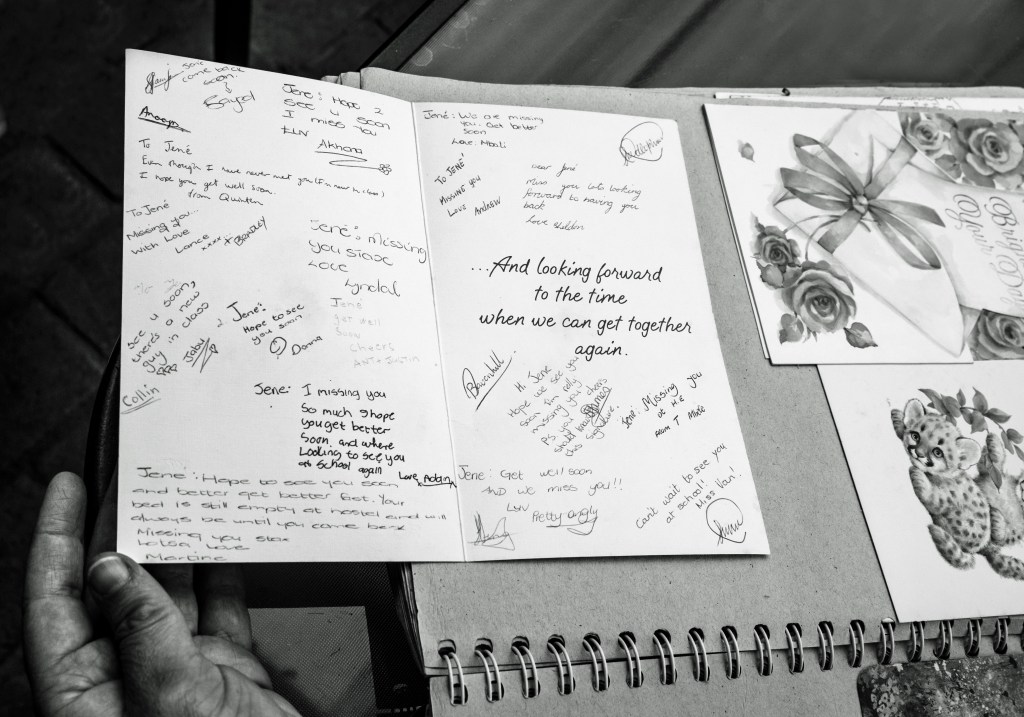
Get well wishes from some of Jene’s school friends

Jene worried too. She saw her friend and understood that they were in a similar situation: they were completely dependent on ‘others’ right now. She saw how the nurses could not be there all the time to care for them, that there were other patients too who also needed their help and their time. Sometimes, the care had to come from others.

Though Jene could see her own mother’s struggle with acceptance and the enormity of her grief, having Tish by her side with her tender acts of ‘caring,’ like brushing her hair, filing her nails, passing something that she could not reach – gave Jene strength, more strength than her mother could ever know. Tish was fortunate enough to have a good business manager in Bulwer and this allowed her to stay in Pietermaritzburg throughout Jene’s long recovery and for her to be with Jene all day, every day. Though Tish may have felt that she was not enough at the time, or that she could not fix her daughter in the way that she wanted to, she was exactly what Jene needed – somebody next to her.

Adapt and Move On

Everyday Jene would watch her friend and she wished Donna would wake up and experience the love and care that she was experiencing. She wished that Donna knew how many people cared, how many people streamed into the ward, breaking the hospital rules with the number of visitors allowed in a ward at one time, to see them, to love them and to support them. She wished Donna would wake up, and see what she sees. If she could have, she would have got up herself, walked over to Donna and done exactly what her mother was doing for her. But she couldn’t, and so she asked her mother to do it instead.

Tish sat with Donna and took her limp hand. For a few long moments, she simply held it and remembered the young girl Donna is, trapped in her own broken body but still there. On inspection, she saw that Donna bites her nails and one by one, Tish filed her bitten nails into curved, smooth edges – just as she had done for Jene. “You know Donna, you really should stop biting your nails,” said Tish in a firm motherly voice. As she said that, Donna flinched and pulled her hand away. It was the first time they knew for sure that she was still there, that she was gaining consciousness and importantly, that she understood that she was being cared for, even if it was not what Donna wanted to hear!

Over the next few weeks, Jene, Donna and Tish adapted to ‘hospital life’ and its routine and would get to know the nurses as if they were all in one big family living under the same roof, caring for each other, eating together and going through the ups and downs of recovery. Jene was given the option to move into a private ward, knowing what was still to come in the way of her recovery and how long she would still need to stay in hospital for. But she chose not to. She wanted to stay with Donna in the general ward; for her, her mother and Donna to stay together until Donna left and did not need them anymore.

Donna had finally regained consciousness but worryingly, she still did not speak. She was awake but silent and her body had been affected in a way that was similar to that of a severe stroke. For the time being, she was unable to walk on her own, talk or care for herself in the way of feeding and bathing. She was heavily dependent on being cared for by the nurses, Tish and her parents. By now, everyone was very worried. Weeks passed and the silence became the elephant in the room. Tish continued to care for Donna in the way that she cared for Jene, brushing and washing her hair, helping her bathe, doing her nails and talking to her despite never being answered.

Donna was locked away in her own world, responding to very little except when she was shown love and care. In those tender moments, Donna’s face would beam with light and her smile would open up like a butterfly emerging from its cocoon. ‘Love’ was Donna’s language.

One evening Donna’s dad had come into Pietermaritzburg from the farm and was there with Donna during meal time. Meal times in the ward had become quite social, like a group of family and friends sitting around a dining room table only they were in hospital beds in the general hospital ward. Graham, Donna’s dad, was feeding Donna her supper. While he was spooning Donna her food, he was also talking to Tish and Jene and was not fully focused on what he was doing or on what Donna needed. She’d already swallowed the spoonful of food and was ready for another spoonful, but her dad was slow on the mark that day and hadn’t realised that his daughter was very hungry and was becoming increasingly impatient with him. At that moment, she silenced the chatter all at once, and told him exactly what she needs in one word, “More.”

Tears of joy rolled down Graham’s face and in that moment, there was only love. And only love mattered.

Rosie Goes©2022

If you would like to follow Jene’s story, scroll down to the bottom of this page and Click Follow! Or go to the Rosie Goes Facebook page and receive updates through Facebook! This is just the beginning of a big human adventure in pursuit of humanKIND!

When you don’t have a voice

This week has been a whirlwind of emotions for me with ongoing challenges of ‘acceptance.’  And I have many unanswered questions in the way of ‘surrendering to what is before we can move forward.’ This is a journey that often involves taking one step at a time and that comes with many layers, different circumstances, a lot of self-awareness and the willingness to look at something from a different perspective when you cannot change a situation.

A few weeks ago, because of my own experience, it became clear to me that ‘acceptance’ is not about ‘wanting’ something but rather ‘letting go’ of something or of a desired outcome for there to be flow and to go forward.  By holding onto it and not ‘letting go’ keeps you in a state of disharmony and you get stuck. You are perpetually angry, frustrated depressed and/or anxious and it feels like you are head bashing the same brick wall over and over again in hope of breaking it down. But the wall never breaks. It still stands and the only outcome is you – black, blue and broken.  Acceptance is not about the ‘other’ but rather, it’s about honouring and loving yourself enough not to fight to the death. (Of yourself) If you are unhappy about your situation, be brave and change it. But if you absolutely cannot change it and your intentions are true and from a place of love, then you must accept it and instead change your perspective in a way that empowers you and allows you to go forward and walk through the story so that there is a different ending. One of the biggest lessons I have learned through Jene Frost’s story is that acceptance of a situation is not ‘giving up’ but rather focusing on what you ‘can do’ and not what you ‘can’t do.’

But this is where I get stuck. Sometimes it does not always feel that simple. I think of the Ukrainians and how many of them have been forced to flee, not because they want to but because they fear death if they don’t. They accept the situation and do what they must do to keep safe. But how does one handle the unfairness of a situation like this, the anger and grief that comes with the process of letting go to move forward? Of losing everything you care about, of a way of life, of your rights, of what or who you love most? How does one accept a situation that is so unfair and so abusive? And worse, when your voice does not matter or there is no-one willing to listen, how do you accept not being heard to move forward? I would like to know, because I don’t.

This week my heart goes out to a father. A good father and a good man. A man so big and full of love that children gravitate towards him. They bask in his love and in his gentle and accepting presence. They get to be who they are and loved for who they are without there being any consequence. This week, my heart goes out to a father who has called his children every single week for over a year and who has spoken to them no more than a small handful of times. This week, my heart goes out to a father who loves unconditionally. This week my heart goes out to all the parents who have been alienated from their children and who are standing on the edge wondering how they can possibly go on without their children and the human beings they love most in this world. This week, my heart goes out to the children who are being intentionally starved of this love. This week I am struggling with acceptance. Because I don’t know how one could possibly accept not being part of your children’s life. I don’t know how I would do this if I was in his shoes.

“It is not important what is said, what is important is what is heard.”
― Jeffrey Fry

Jene Frost; The day everything changed

When I initially contacted Jene to ask her if she would be willing to share her story with me, I knew it would be a story of ‘acceptance.’ I knew that her story involved ‘surrendering to what is before she could go forward.’ I knew that she had done this because of how far she has come since that life changing day. But I had thought it would be a different story to what it is. I imagined myself in her shoes and what it must have been like to lose the life she knew. I imagined that the drastic change of life and how it’s far-reaching implications would have been difficult to accept – that there would have been a long internal struggle of acceptance before she could start moving forward with her new ‘normal.’ But I was wrong. This is the phenomenal story of Jene Frost, of a young woman who saw no choice but to accept her new circumstances, adapt and move on.

Sunday, 28th April 1996

It was a special occasion. ‘Oupa’ and his sister had come to visit the family. It didn’t happen often because he lived in Pretoria – a full day’s drive from the lush green forestry estate in KwaZulu-Natal. On this special occasion there was only one obvious way to celebrate: To braai.

To Braai is a South African food and social culture of cooking meat on a fire, usually in the company of good friends and family, doused with a few cold beers and spiced up with some braai banter. While the occasion is usually casual, cooking the actual meat is a very serious business and a responsibility not to be taken lightly. The meat you cook is your preference, but whatever meat it is you choose, there must be passion! There must be a lot of love and care and the goal must be ‘perfection.’

For Rob Frost, father of Jene and chief braai master, there was absolutely no question about what to braai, it had to be his famous Mozambican Piri Piri chicken.

The thing about preparing and cooking a good Mozambican Piri Piri chicken on the fire is that it takes time. There is simply no way to rush the chicken, lunch will almost always be served late.

First, one must marinade the chicken in all its spices, lemon and garlic overnight so that the entire bird is infused with flavour. Once the chicken has been marinated, it’s time to start the fire. The fire must be just right, not too hot and not too cold. At no point can the chicken be left unattended. The cook must be there from beginning to end, basting the chicken over and over again and applying the marinade until there is nothing left. Then finally, you crisp it up and your result is the most succulent, tender piri piri chicken that is bursting with flavour inside and out and the best you will ever taste. This is a chicken that you will have to wait for.

But Jene was not one to wait around. At the age of fifteen, Jene could think of far more exciting ways to pass time than to sit around a fire watching a chicken cook. Besides, her friend Donna from the next door farm was here too with her father and his partner Ann. The two girls had had about as much adult talk as their teenager selves could handle and the piri piri marinade packet was still half fill! Lunch would not be ready for at least another hour. They needed some fun, some speed and some adventure to pass the time. “Let’s go to the dam Donna,” said Jene, and Donna agreed. Rob overheard the conversation between the two girls and reminded them of the rule. “Girls, No helmet, no ride.”

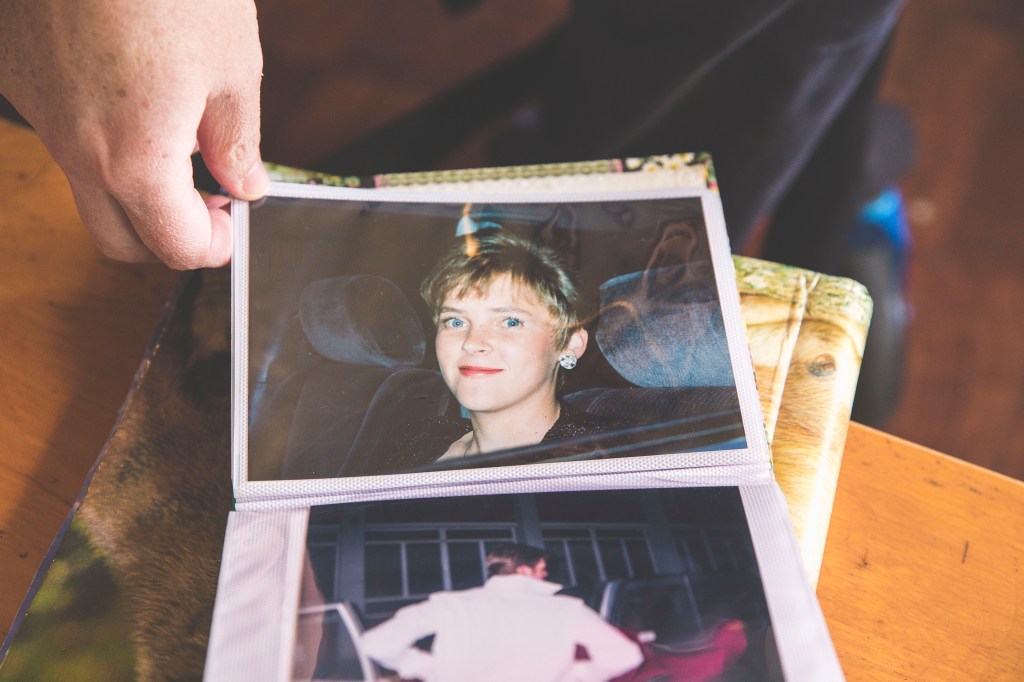
Jene Frost, 15 years old

‘Zane,’ Jene’s older brother, had a motorbike and had just got a brand new helmet. He was quite happy to share his bike and helmets with his younger sister and her friend, they were good like that. Since Jene had already done a few laps around the garden earlier on, it was Donna’s turn to drive. Though she had not ridden this bike before, riding motorbikes was nothing new for these two farm girls and ‘today’ was just another one of those typical farm days.

15 minutes later, the girls were already at the dam. ‘Now what,’ said Jene? They knew the piri piri chicken still had a while to go and there was no reason for them to rush back. This was the beauty of being a teenager living on a farm at that time. There were no tablets or screen gadgets, no cell phones and no hours and hours of Netflix. It was just good old farm fun and a freedom that most teenagers can only dream of experiencing. As with all other days, it was not so much about where to go, but rather the doing of it. It was not so much about the dam, but rather the feeling of independence and freedom that ‘going to’ the dam gave them. But now that they were at the dam, they needed to go somewhere else and though it was not about the ‘where,’ the ‘where’ still needed to have some sort of significance or purpose. A new gravel road was being built on the other side of the dam. Jene and her brother had investigated it the day before and had had a small accident when they hit a patch of loose gravel and the wheel had ‘washed out.’ But Donna had not been there, and exploring ‘a new road’ ticked the box of where to go next for them both to continue feeling the pure joy and exhilaration of going somewhere on a motorbike, on their own.

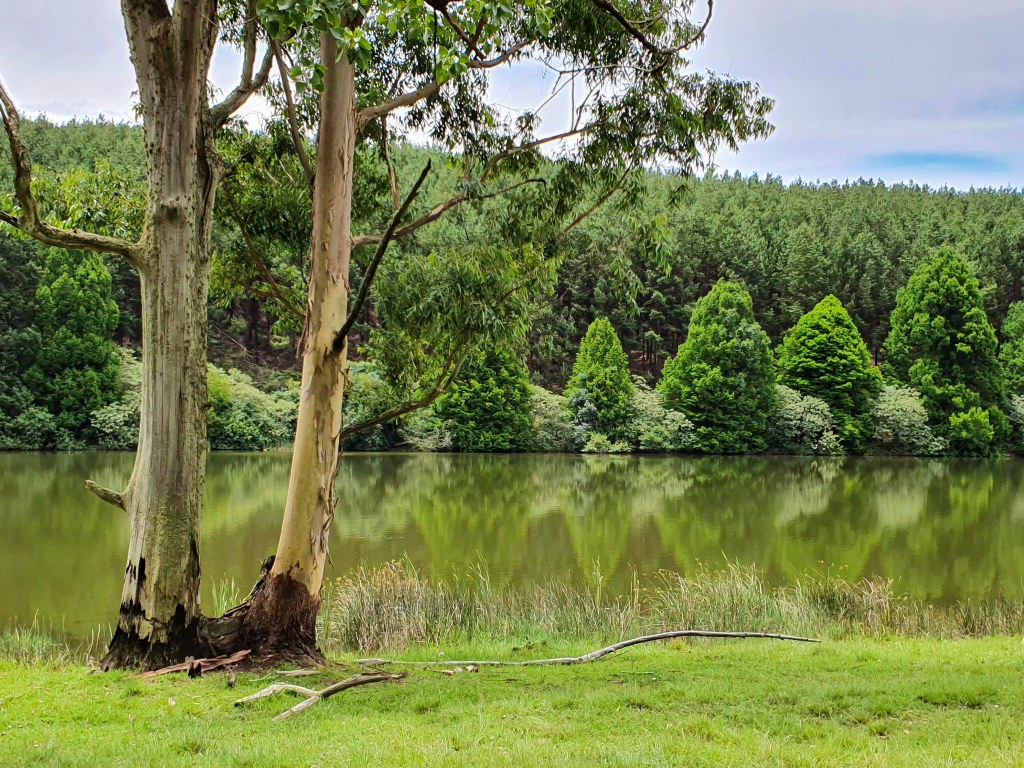
Dam on Colbeck Estate

The last memory that Jene has of being on the motorbike was her shouting above the noise of the engine, ‘watch out for the loose gravel on the corner.’ Seconds later, they were both unconscious. Neither girl remembers what happened. The only certainty is that on that day many things happened for them to get to where they were, to a place that they took a turn down a new road.

Jene woke up flat on her stomach with her head to the side and with the motorbike on her legs. She noticed that Donna was next to her, unconscious or simply not moving and that there were trees all around them. It was confusing; it felt like she was having a bad dream and was drifting in and out of sleep.

In the meanwhile, the piri piri chicken was crisped up and ready to eat. By then everyone had been seduced by the aromas of roasting meat for a few hours and were hungry but the girls were not back yet. It was unusual. Especially since ‘Mozambican piri piri chicken’ was a family favourite. There was no chance that Jene would have missed out on her portion of ‘crispy chicken wing,’ not for anyone!

For the most part, disappearing on the farm for a few hours was nothing unusual for Jene. She was an outdoor kid and was happiest fishing with her dad at the dam or being on the bike or doing something on the move. Her weeks and her weekends were always action-packed. During the week, Jene’s love of sport filled up her days. She’d start her day with a 10 kilometre run and she’d finish on the hockey field. At the age of fifteen sport, action and adventure had become her identity. Whatever day of the week it was, it was the joy of movement that made Jene feel most alive.

Teenager memories

The chicken was cold by now and with every passing minute and the gnawing feeling that something was not right, prompted the men to head out and to start looking for the girls. One hour passed, two hours passed and there was still no sign of them. In this time, the farming community had been alerted on the radio that Jene and Donna were missing and within a few minutes, the community was activated and a search party was in full force. The possibilities were endless, like trying to find a needle in a hay stack. Which road had they taken? Had they gone to visit another friend? Had they run out of fuel? Had they broken down? Had they ventured onto the tar road and had an accident? Had they been hijacked? Had they been taken? Were they safe? Were they alive?

Jene opened her eyes once again and the pine trees in the distance came back into focus. She could smell them and she could hear a trickle of water. She wondered how she was still having the same bad dream. Then she became aware of how her head and body ached and that she couldn’t move. She noticed how Donna was still there too, motionless. In between dipping in and out of consciousness, Jene started to realise that this was no dream and that they were in trouble. She did what any child would do when they are hurt and she cried for her mother before losing consciousness once again. Jene disappeared back into the depths of nothingness, hovering somewhere in no-man’s land, with neither a past, nor a future, as if her soul was taking a long and deep breath before it continued on with the next leg of its journey.

At the same moment that Jene called for her mother, an elderly African man was returning from Sunday church and was walking home on the remote farm road close to where the girls were lying. It was a desperate cry, one that did not fit the peaceful setting. It was a cry that pierced the gentle breeze and silenced the birds, a cry for help.  He found the girls lying in a dry river bed, unconscious and in a very bad shape. Jene had landed on a concrete pipe and Donna had collided with a tree.

Jene and Donna’s accident site at Colbeck Estate in KwaZulu-Natal, South Africa

When Jene’s mother Tish and Ann (Donna’s father’s partner) saw the man running up the farm road, they knew it was about the girls. Breathless from running, he told them that he’d found the Mngani’s (children) and that they were in trouble. Together the three of them jumped in the vehicle and raced off to the accident site. Ann was a nurse and when she laid eyes on the girls, she immediately knew that it was very serious and potentially life threatening. She firmly instructed Tish not to move Jene and to return to the house and to call Dr Gardener (the local community doctor) and to call an ambulance too.

When someone in a farming community is in some type of distress or danger and the community is alerted, it’s quite extraordinary what happens next. They arrive in their dozens within minutes. Within minutes a signal is sent via telephone or radio and a community that is made up of individuals and personalities of all types, merges into one well-oiled co-operative machine with only one thing in mind. To do what is necessary to help, protect, support and fix. Dr Gardener was called and told that the girls had been in an accident. Within a couple of minutes of receiving the call, especially since it was on a weekend, he knew it was serious and was on his way. There were no questions asked other than the location.

Dr Gardener arrived and assessed the girls. He then crouched down to Jene’s level and pinched her hard. He continued to pinch her again and again all the way up her left side. Then he pinched her under her arm and she yelped in pain and shouted at him, “What the hell are you doing?” Dr Gardener apologised and told her that he won’t do it again. Then he pinched her on the right side, all the way up from the waist and finally under the arm. When he pinched her under the right arm, she got really cross with him, because he had done it again. Nothing more was said and there were no more pinches after that.

The girls were carefully put on trauma boards and loaded onto the ambulance. Tish and Ann would accompany them on the slow and agonising three hour journey to Pietermaritzburg. While Donna remained unconscious, Jene was physically and emotionally exhausted and all she wanted to do was sleep. It had felt like the longest day of her life and she was fed up with everyone fussing over her. She just wanted to be left alone and to be allowed to sleep and to have this hellish day over and done with.

“You can’t” said Ann in her most authoritative voice. “You cannot go to sleep Jene, I wont allow you to.” Despite everything that had happened that day, Jene still had enough strength and fire in her to be extremely annoyed at being told what she can and can’t do, especially after a day like this. But Ann was adamant. The risk of missing a brain injury such as a seizure or a weakness on one side of the body after experiencing a head injury was too great and not a risk anyone was prepared to take.

Ann threatened Jene with a ‘smack on the bum,’ if she fell asleep. And without much thought, Jene replied, “I don’t care, I won’t feel it.”

“Well then, I will pinch you on your ear,” said Ann

And Jene stayed awake.

RosieGoes©2022

Jene Frost; Going back to go forward

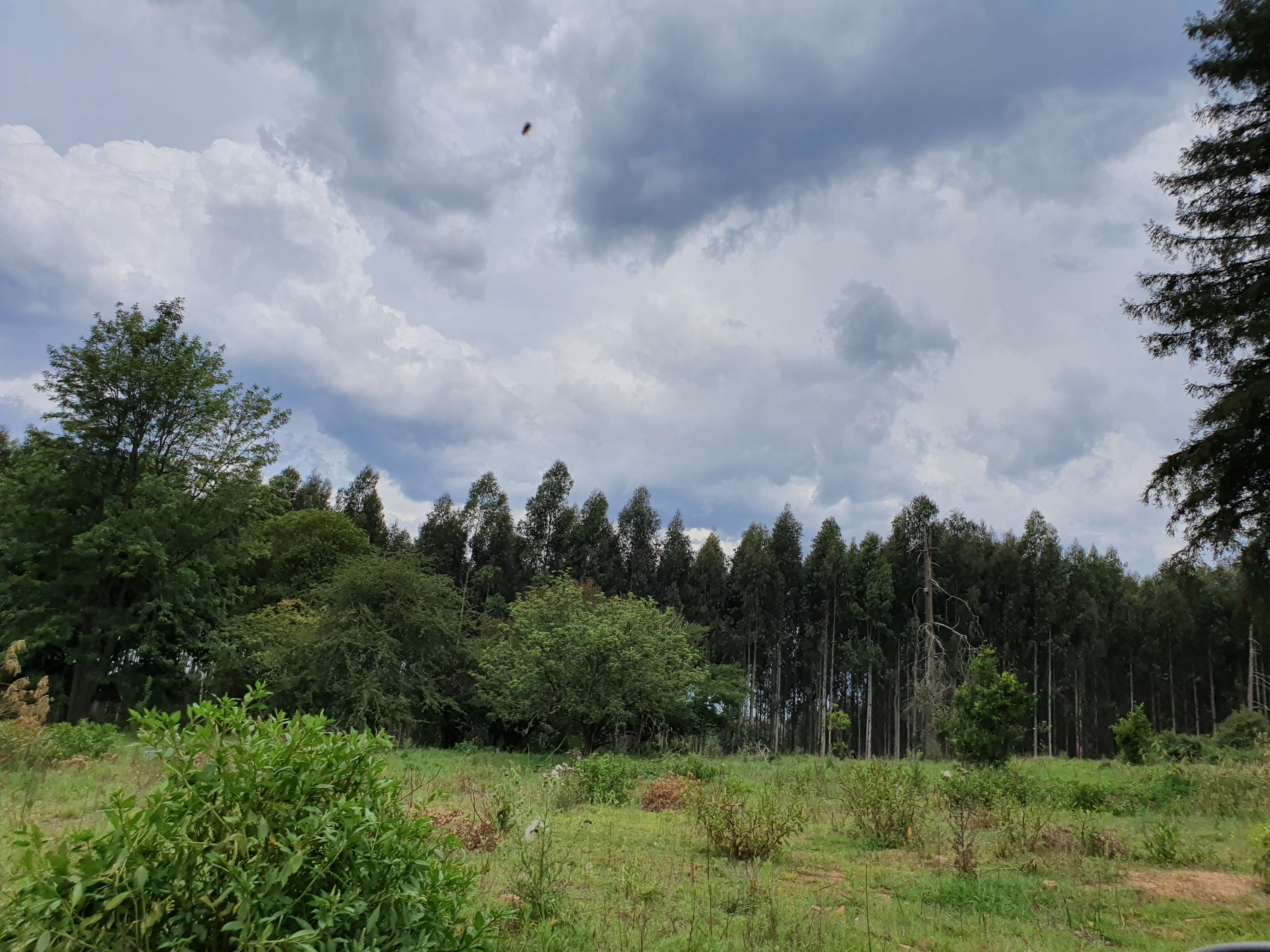
She was nearly 40 and it felt like a lifetime ago that she had driven up the farm road. The smell of coming home still lingered in the air; of eucalyptus trees, pine and wattle. It felt familiar and the memories were flooding in as if it were just yesterday. So much had happened here.

It’s a peculiar feeling of choosing to go back to a place that holds so many memories, a place that represents your childhood; a sacred place because of how it became such a significant part of your identity and how the events that unfolded there would shape the rest of your life.

There is almost an expectation of returning to a place like this, that it should remain unchanged as it has in your mind; how the farmhouse walls stand solid, how the garden is abundant with fruit and flowers, how the smell of home cooked food wafts from your mother’s kitchen on a Friday as you return home from boarding school, how your brother kick starts his new motorbike and disappears down the road in a cloud of dust and  how your father steps out of his vehicle, evidently battered by another long week in the workshop and shouts, ‘Come on Jene, let’s go fishing.’

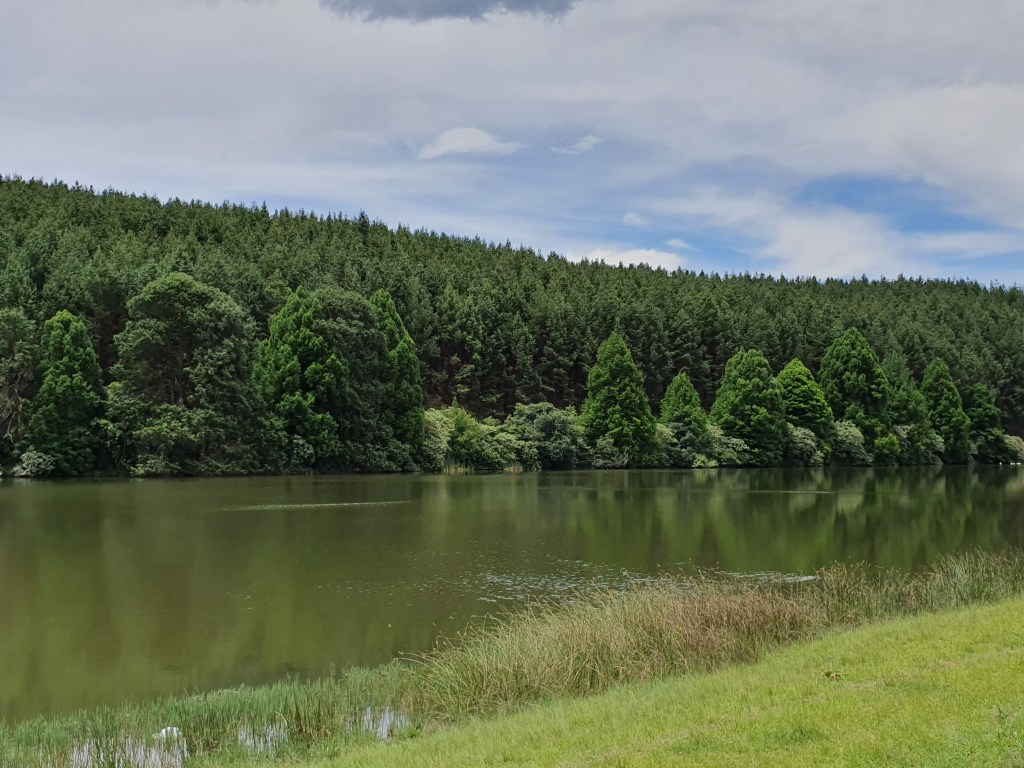
It had been years since Jene had been back to the area that she grew up in and even more years since she had returned to her childhood home and back to the place of the accident. Jene and her partner’s children had driven down to KwaZulu-Natal from Johannesburg to stay with her oldest and dearest school friend, Melinda. She wanted to give her partners young sons a taste of farm life and what it was like to grow up on a forestry estate in the lush KwaZulu-Natal Midlands in a small close-knit farming community. But most of all, Jene needed closure. When she was 15 years old, the life she knew changed forever in a matter of moments and recently she had been thinking about this time and place a lot and of the people who had so generously and lovingly supported her throughout those challenging, life changing years. Though she was not stuck, she wanted to immerse herself in these memories, get close to them, love them and feel the gratitude for everything that is because of what was. She’d go back to Natal for a week and in that time, she’d return to her family homestead and to the very place that she was found face down, falling in and out of consciousness and calling her mother’s name.

Jene sat in the passenger seat and Melinda drove. It didn’t happen often, but that day even Melinda was quiet! They’d decided to leave the children on Melinda’s farm while Melinda and her returned to Colbeck Estate for the first time and for the last time.

They were almost at the top of the hill and very close to the homestead’s entrance. Jene’s anticipation to be back at her childhood home increased with every landmark that they passed. The avenue of old Blue Gum trees stood tall, alluding to the assumption that a place as significant as this, that holds so much history and at one time, so much life – would go unchanged and defy the very passage of time. That it would always be as you remembered.

But it was not like this. Instead Jene returned ‘home,’ to find nothing.  That everything that was still so vivid in her mind, no longer exists. Not even a brick. The only thing that remained from her childhood was her favourite tree – a solitary Redwood tree, as magnificent as she had always remembered it.

It was an unusual Redwood tree. Instead of having one solid trunk like most Redwoods, this tree stemmed five branches from the roots. These five branches grew in solidarity, supporting each other through the seasons of life, surviving the weight of heavy snowfall, of wind, of floods and drought. It was a tree that stood the test of time and it was the only tangible thing left of Jene’s past.

She sat on what was the foundation of her childhood home, a patchy green piece of land dotted with brambles and tufts of grass. For a few long moments, the emptiness of the space muted her. It looked like an insignificant field of weeds and grass, seemingly mocking the immensity of her return and of everything that had happened here. Though it was still as beautiful as ever, there was nothing left of her past, other than the memories she held in her head and of course, there was still the great old Redwood.

It swayed and it creaked in the breeze as it always had. Like an old friend, it reminded her of what ‘still is’ and importantly, what came because of ‘what was and because of what happened.’

For a few blissful, heartfelt hours, Jene ‘danced’ in an open field with ‘then and now,’ and everything that she has become.

 “Your journey has moulded you for your greater good, and it was exactly what it needed to be. Don’t think you’ve lost time. There is no short-cutting to life. It took each and every situation you have encountered to bring you to the now. And now is right on time.” – Asha Tyson

RosieGoes©2022

Walking the road of ‘acceptance.’

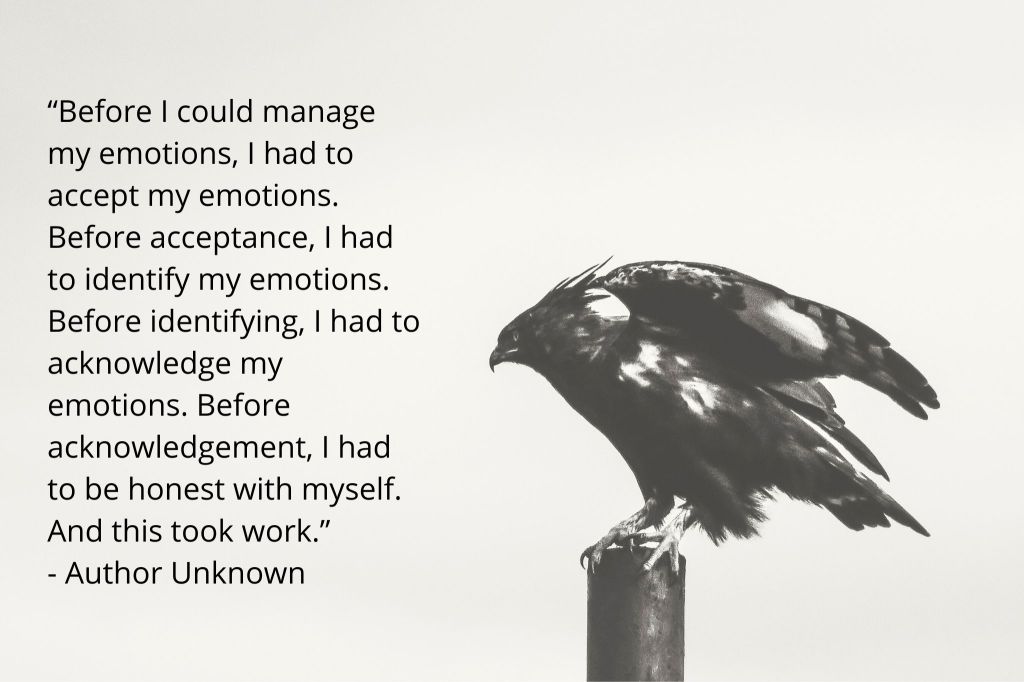
I went for a long walk today. I know the route well. I know every metre of it, I know how the water flows over the road and how every day I wet my shoes in order to get to the other side, how fish dart in all directions with every step I take. I know the long stretch of road across the dam wall, where the wind picks up and blows in the memories, with our river to my right and a silver expanse of water to my left. I hear the fish eagle in the distance and I see my loyal friend, the long crested eagle perched on the telephone pole, always there, always watching. I follow the road that follows the contour of the dam, around the corner and into a secluded valley, a valley bursting with Red hot Pokers and birdlife. Here I am alone but I am not. Here I am immersed in my deepest thoughts and here is where magic happens.

On this walk, sometimes I feel as if I could explode with hope and purpose, sometimes I get clarity, sometimes I feel fierce determination, sometimes I cry, sometimes I laugh, sometimes my heart breaks. But today as I walked this road, I felt acceptance.

Where magic happens…
Red Hot Poker

Right from the beginning, before I had even thought of starting Rosie Goes, I knew I’d be going on some sort of a journey, a journey of many roads with many twists and turns, stories and people from all walks of life and from whom I hope to learn from. There will be no free ride. I will walk this walk myself, I will ‘understand’ what I am exploring and I will feel every stone under my shoe, every bump along the road and I will write about it.

Today I felt what it means to accept something or to surrender to it. How before we can hope to start again, we must accept or surrender to where we are at or what is.

Today I learned how accepting something is not about ‘wanting’ something. I learned how acceptance can be letting go of what I’d like to happen for there to be something positive to happen, though not wanting it less or loving it less. To know that to continue as I am, at the expense of myself, of feeling that I am not being true to myself for the sake of a desired outcome, I lose who I am and what is important to me. And I get stuck. I have learned that with acceptance, there is no anger because it is no longer about something else or someone else or about something that happened or about what you don’t have anymore, but simply a deep knowing that you cannot continue as you are for you to feel at peace with yourself and to walk forward in harmony. I have learned that when I am aligned, I become unstuck.

Wild Dagga

Ironically the very first story that I will be writing about with the theme ‘to surrendering to what is before we can hope to move forward,’ is about someone who cannot walk. I will be writing about Jene Frost who was paralysed from the chest downwards at the age of 15 years old. Jene not only walked before her accident, she ran. She ran every day before school. It was her identity, it was her passion, it was her happy place, and it’s how she started her day. But in a matter of minutes, on a lazy social Sunday afternoon, Jene walked her last walk and the life she knew and the future she expected, was changed forever.  This is a story about the power of ‘acceptance,’ when it comes to change and starting again, how a young women never let being paralysed stop her from moving forward.

Rosie Goes©2022

The night I surrendered to what is.

2. The works of Being Human/Surrender

I walked. A veld fire had ripped through the bushveld, devouring everything in its path. The night was closing in and all that was left were the rocks and the smoldering skeletons of trees standing in defiance.

It was the darkest night yet and I was lost. The usual winter starry sky was eclipsed by a thick layer of mist and smoke, obscuring the path I knew so well. I was a stranger in my own land and nothing felt familiar.

The silence was deafening. The jackal, rabbits and caracal had moved off and even the crickets could not muster up enough energy to sing their song. A sense of nothingness overcame me. I let go. I let everything that is, be. In that moment, I had no past or knew no future, just the ghostly silence of a moment, a blank page void of ink, a map of nowhere.

I surrendered. The fight in me was gone and all that I felt mattered, mattered no more. It did not matter at that point because I had had a change of heart or that something had happened to me that made me realise what is important and what is not, but rather I’d lost all my strength to fight and to hold onto fear. Suddenly the fear of rejection, the fear of being judged, the fear of not being accepted, the fear of losing control, the fear of being misunderstood had all become too big for me to hold on to.  Too big and too inauthentic to survive. I had unintentionally let go of my fears and surrendered to the darkness. I was alone, broken and free of the shackles of fear.

It was a long night. I stopped walking. This well-worn path I had used so often was barely visible and increasingly futile as the night curtain rolled down. It was not taking me to where I truly wanted to go. It was a winding path, walked by many but not my own.  I succumbed to being lost and found a comfortable rock, curved and smooth in the centre, a rock I could sit down on and sink into.

Cradled in that rock, the night consumed me. Memories and emotions took hold of me and for the first time, I did not resist any of it. I felt it all; grief, pain, anger, rejection, resentment, conflict and aloneness.  I felt everything I had not wanted to and on that dark, relentless, all consuming lonely night, I completely surrendered to what what was and what is. And it was a relief to feel my pain.

“Surrendering is not the giving up of something.
True surrender is the total acceptance of yourself.
You’re not ‘losing’ anything in the surrender, the way your society usually means that word. You are not giving up anything in the sense of loss.
Surrender means to open up: Open up to your total self; to give in and let go of the things you think you’re supposed to be. Just be who you are. It will see you through.”
― Bashar

Rosie Goes©2021